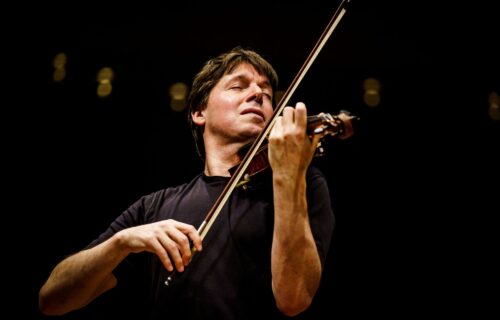
Sometimes the programme has ended and the musicians have stood to take their bows, yet the applause carries on. Anyone who goes to concerts knows the feeling: the whole hall seems reluctant to leave. That moment goes by a French word: encore.
In French, “encore” means “again” or “more”. Curiously, though, French audiences rarely call out “encore!”. Their familiar cry is “bis!”, a word of Latin origin meaning “twice”, traditionally used to ask performers to repeat the passage they have just played. Shouting “encore” began with English-speaking audiences in the early 18th century and was later borrowed by many other languages, while in France and Italy “bis” remains the word of choice.
On 8 December 1813 in Vienna, Beethoven premiered his Symphony No. 7. The audience was so captivated by the second movement, the Allegretto, that they demanded the orchestra play it again on the spot. They were not asking for a new piece. They simply wanted to hear once more the music that had just moved them.
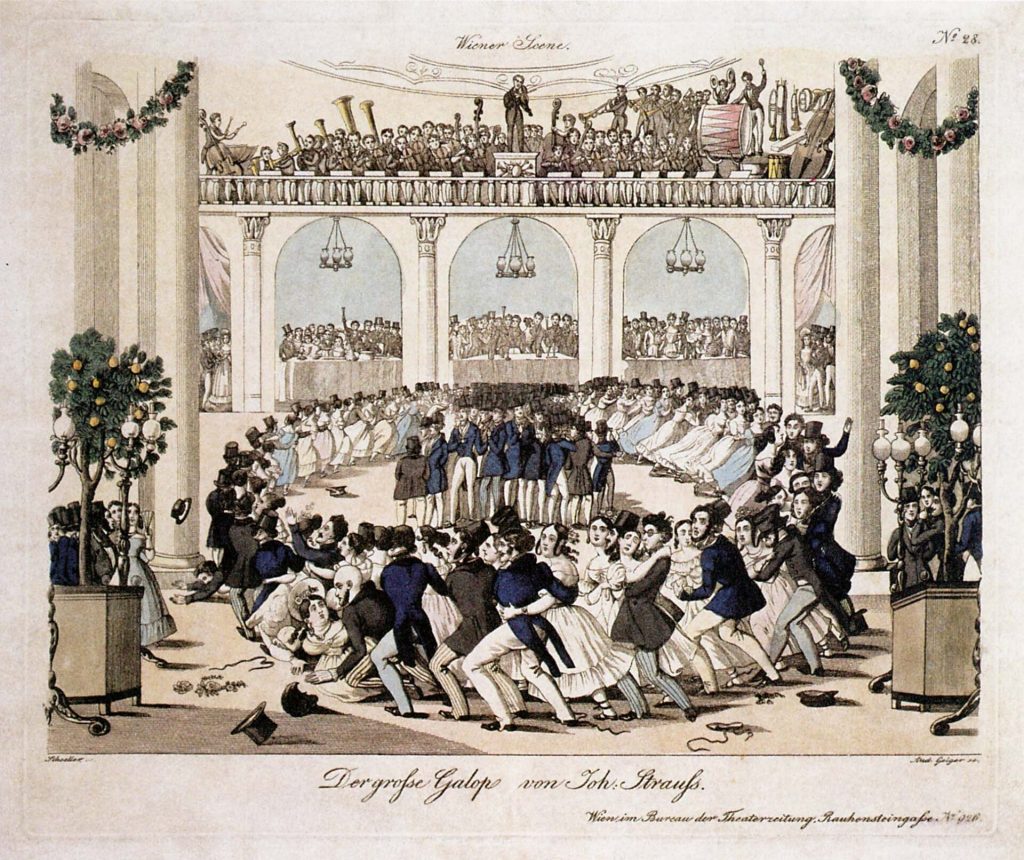
Image: Andreas Geiger after Johann Christian Schoeller, “Der große Galopp von Joh. Strauß” (1839). Source: Wikimedia Commons, public domain.
In the ballrooms of 19th-century England and France, there was a fast and playful couple dance called the galop. It was often chosen as the final dance of the evening, its lively steps a sign that the festivities were drawing to a close.
In 1871, Georges Bizet wrote Jeux d’enfants (“Children’s Games”), a set of 12 pieces for piano four hands, each depicting a childhood game. He later chose five of them to arrange for orchestra: Trumpet and Drum, The Doll, The Spinning Top, Little Husband, Little Wife, and, to close, Le Bal (“The Ball”), which is itself a galop. After the games come to an end, everything closes with a ball.
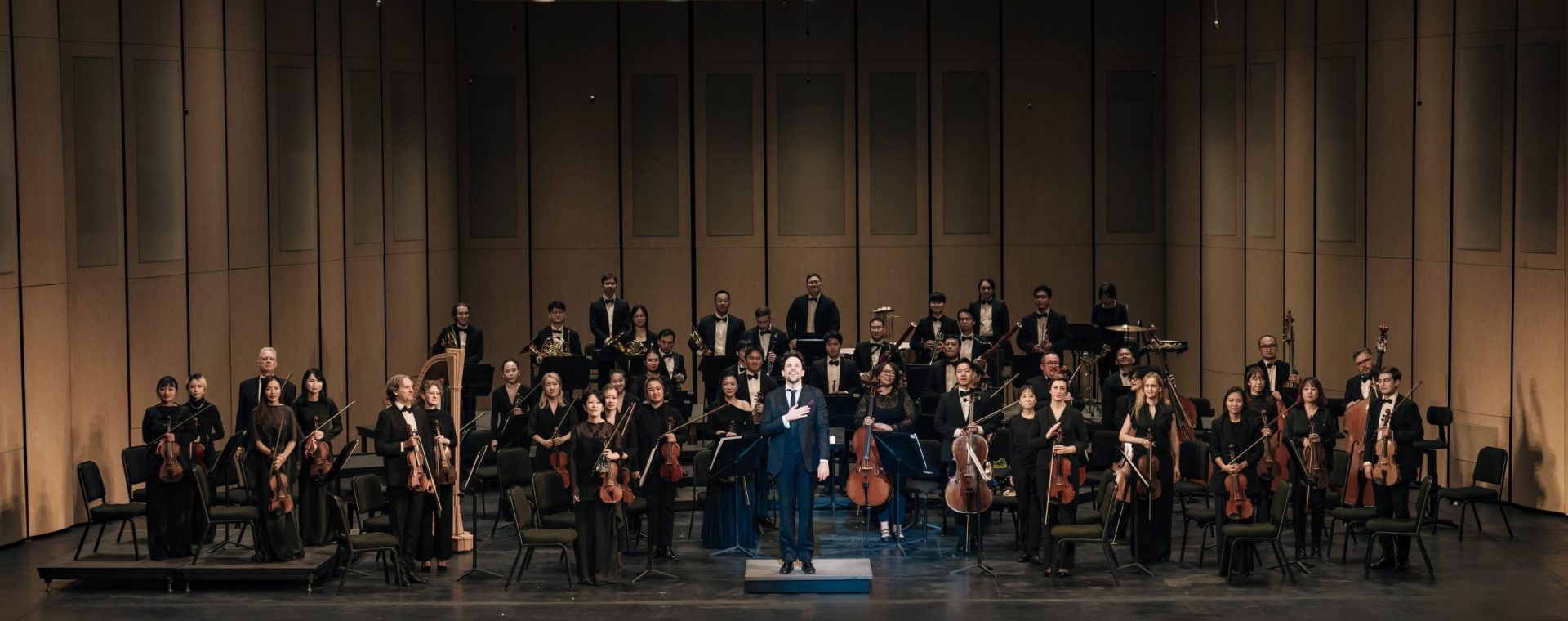
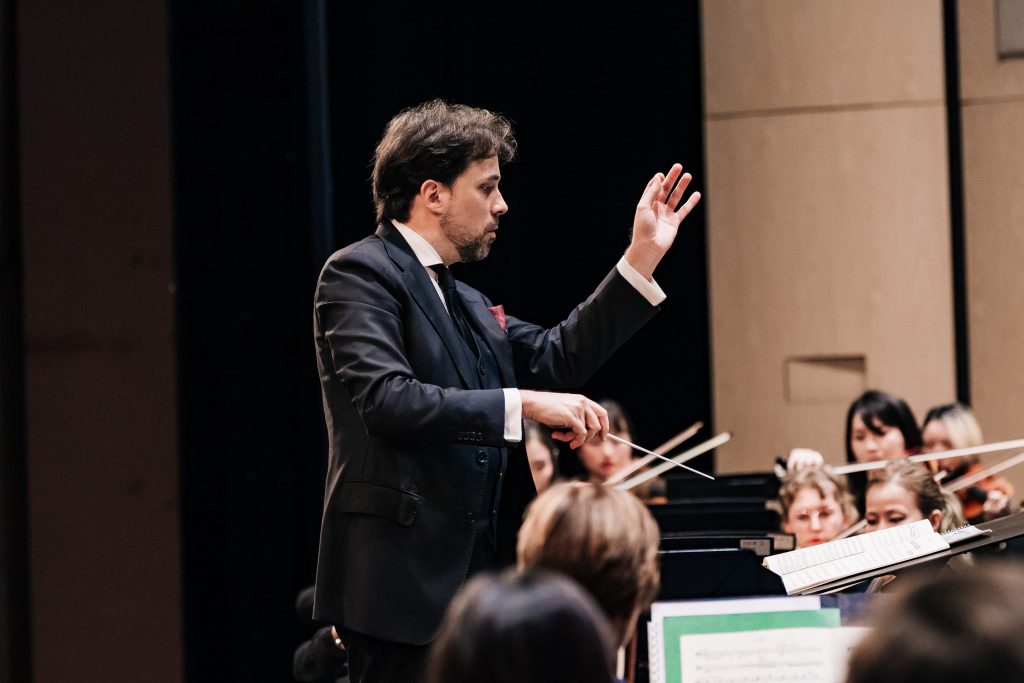
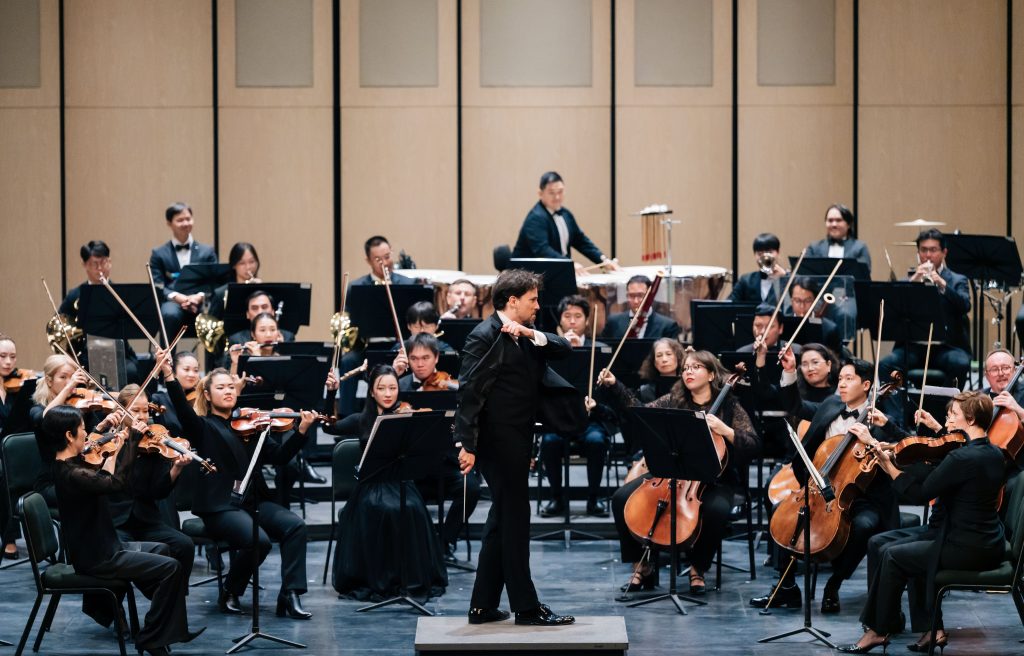
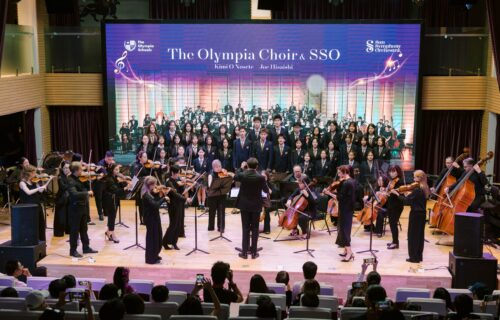
On the evening of 13 November at Ho Guom Opera, A French Tapestry, a concert in the Sun Symphony Orchestra’s Camerata Series of chamber symphonic concerts, closed with Jeux d’enfants. The orchestra led the audience through all five of Bizet’s games, from the opening march of trumpet and drum to the lively ball at the end. Then, in response to long and enthusiastic applause, Music Director and conductor Olivier Ochanine and the orchestra played Le Bal once again.
That night, the galop rang out twice: first to close the programme, and a second time as the orchestra’s thank-you, bringing the whole evening to a close. It was a “bis” in the truest sense on an all-French night, a repeat of the kind Viennese audiences longed for more than two centuries ago, and a ball that ended with its very own last dance.
We use cookies to improve website performance, understand how you experience our site, and for marketing purposes. You can decline certain types of cookies, though this may cause some website features or services not to function as expected.
We respect your privacy, so you can actively choose which types of cookies are allowed to operate. Expand each category below to view details and adjust according to your preferences.
These cookies are necessary for the website to function and cannot be switched off in our systems. They are usually only set in response to actions made by you which amount to a request for services, such as setting your privacy preferences, logging in or filling in forms.
We use optional cookies to personalize and optimize your experience on the website (for example: remembering your display language). These cookies are usually set based on information you provide to the website.
These cookies allow us to monitor and measure how visitors interact with the website, and are used by our advertising partners to build a profile of your interests and show you relevant adverts on this and other sites.